

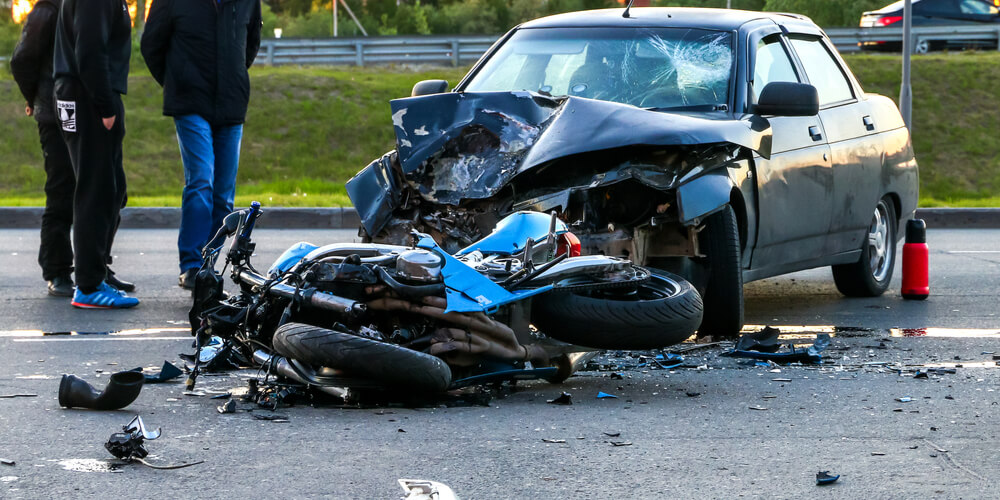
Almost every element of a person’s life, including daily obligations, financial security, and physical health, may be affected by a motorbike accident. Motorcyclists are more susceptible to severe injuries during crashes because they have less protection than passengers in cars. Medical visits, rehabilitation, insurance correspondence, and significant legal choices are all common components of recovery. It may be difficult to handle various obligations at the same time, especially if an injury keeps a person from working or going about their regular business.
Injured motorcyclists may safeguard their health and make well-informed judgments on possible compensation by being aware of how medical recovery and legal action interact.
Making Medical Care A Priority Following An Accident
After a motorbike accident, getting the right medical care should be the first concern. Certain illnesses may not show symptoms right away, even when injuries seem small. Additional testing may be necessary before the severity of concussions, internal injuries, soft tissue damage, and spinal problems is evident.
Based on each patient’s unique situation, medical experts may assess injuries, suggest diagnostic tests, and create treatment strategies. Attending checkups, taking prescription drugs as directed, and finishing suggested therapy may promote healing while lowering the risk of preventable problems.
There is still another crucial function of medical records. They create records of injuries, necessary treatments, and the state of recovery. If an injured biker subsequently seeks compensation via an insurance claim or legal action, these data could become important.
Recognizing The Relationship Between Legal Claims And Medical Records
Medical data is the primary factor determining the prospective value of a motorcycle accident claim. When determining injury-related damages, insurance firms usually examine treatment records, diagnostic findings, medical costs, and expert assessments.
A Denver motorcycle accident attorney may look at how a claim is supported by medical proof and determine whether further paperwork is required. Physical therapy reports, for instance, might show persistent mobility restrictions, and medical evaluations can clarify how injuries impact daily activities or work.
This procedure may be facilitated by keeping well-organized records during the course of therapy. Medical bills, medication receipts, appointment summaries, and records of treatment-related transportation costs should all be kept by injured passengers.
Handling Financial Stress During The Recovery
Long before an insurance claim is resolved, injuries sustained in a motorcycle accident may cause financial hardship. High costs may arise from emergency care, specialist testing, rehabilitation sessions, and required medical equipment.
When an injury keeps a person from going back to work, financial strain may escalate. Injured riders may have limited earning potential in the future, temporary unemployment, or decreased wages, depending on the situation.
Establishing a thorough record of accident-related costs helps in determining the collision’s financial ramifications. When estimating possible economic losses, supporting documentation such as pay statements, job records, medical bills, and receipts might be used.
Preventing Insurance Errors While Recovering From Illness
It’s important to pay close attention to communicating with insurance companies when recuperating from injuries. Before the full amount of an accident is known, adjusters may ask for statements, medical records, or settlement talks.
Financial difficulties may arise if an early settlement is accepted without knowledge of future treatment needs. Certain injuries may not be evident during the early stages of healing and need prolonged rehabilitation, extra procedures, or continuous medical care.
Before accepting a settlement, injured motorcyclists may better understand their alternatives and determine if an offer fairly represents recorded losses by speaking with a Denver motorcycle accident attorney. Misunderstandings about responsibility, insurance coverage, and claim processes may also be avoided with legal advice.
Managing Legal Obligations And Rehabilitation
When medical care and legal obligations are managed in a systematic manner, recovery becomes easier. Unnecessary misunderstandings may be avoided by keeping a schedule of appointments, treatment milestones, insurance deadlines, and legal consultations.
Injured riders should be honest with medical providers about their physical limits and ongoing discomfort. In a similar vein, informing legal counsel about modifications to medical care will assist in ensuring that claim records stay correct.
Injured people may be able to focus more intently on their recovery if insurance interactions and legal procedures are delegated when appropriate.
Conclusion
After a motorbike accident, both physical recovery and financial security must be prioritized. Injured riders may manage the healing process with the aid of regular medical care, well-organized paperwork, cautious insurance contact, and knowledge of legal deadlines.
When assessing compensation alternatives and handling legal obligations, consulting an experienced Denver motorcycle accident attorney may provide extra assistance. Injured motorcyclists may concentrate on regaining their health while safeguarding their future financial interests by handling medical and legal issues together.
