

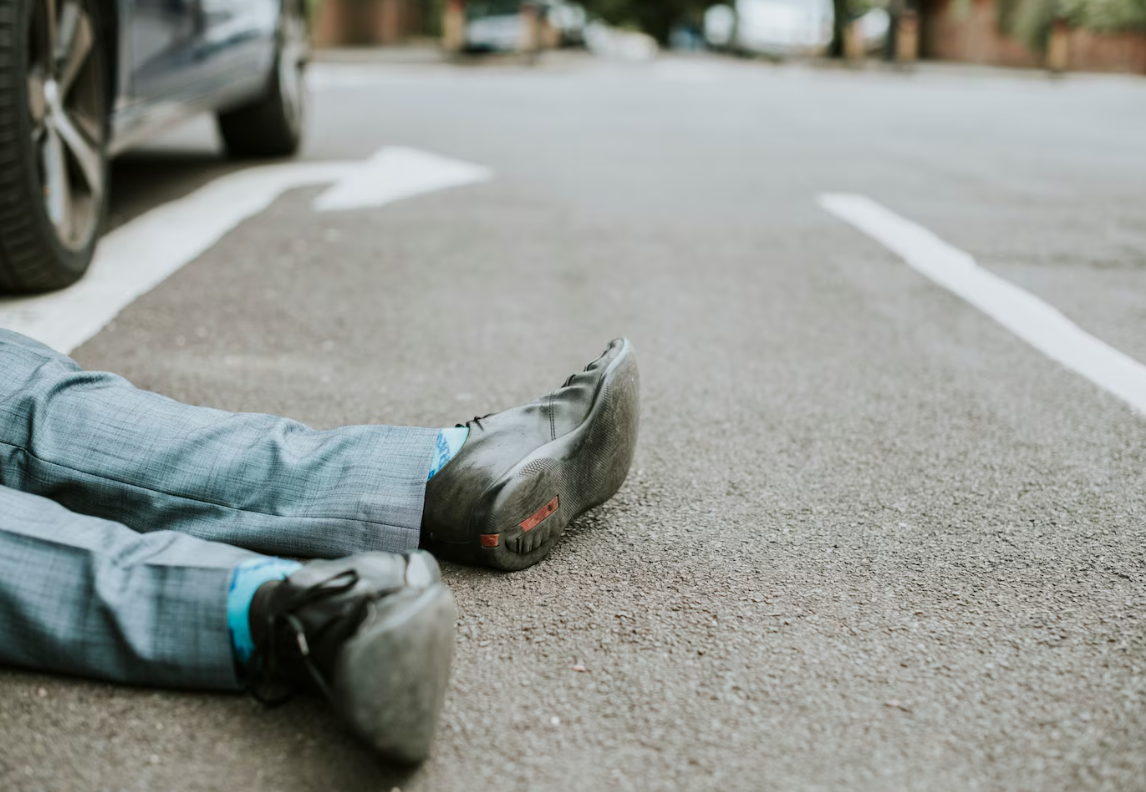
When a police chase ends, the investigation begins, especially if the person being chased was injured. Then, it becomes very important to understand whether the chase was necessary, who ordered it in the first place, or whether it could have been avoided.
Answering such questions requires a proper legal understanding of these matters, and an expert witness can bring this insight. Let’s discuss how these experts help in police pursuit cases.
Role of a Police Pursuit Expert Witness
These experts are not like regular eyewitnesses. Their main job is to analyze the case from a legal perspective; they are familiar with laws governing agency policies, training standards, and legal requirements.
So instead of telling the court what they have seen, they tell the court what they analyzed from other people’s observations and evidence, such as dispatch recordings, collision reports, and testimony. Based on all this evidence, they assess whether the officers’ actions were negligent or appropriate, helping the court decide in light of the circumstances.
How does their Insight help during the Case
Expert witness insight is especially helpful in dispute cases and criminal defense. Because most of the time, these cases work in context.
For example, concrete evidence, such as camera footage, might show how the police chased. Still, it might not explain the reason behind that chase, whether it was necessary, and, if so, to what extent it was allowed, whether the officer stayed within policy parameters or exceeded the limits defined by the rules.
Such intricate matters could only be resolved through careful analysis by a police pursuits expert witness. These expert evaluations combine evidence and legally defined limits, shifting the conversation from opinions to evidence-based analysis.
Evaluating Officers Training
Instead of just focusing on the basics, experts also dig deeper. They look into factors such as whether the office had adequate training and whether he stopped or continued after receiving clear instructions from the senior.
For example, if an officer began a pursuit for a minor traffic violation but the situation quickly escalated into a high-risk chase, the expert can explain whether that decision followed accepted law-enforcement practices.
Understanding Decision-Making under Pressure
Police pursuit decisions are often not well thought through; instead, it’s the opposite: the police officer often has to make decisions in seconds, so while dissecting such cases, human factors are also considered, because decisions made under stress are different from those people make in normal circumstances.
Instead of judging actions in hindsight, the expert explains what information the officer had at the time and whether the decision was reasonable given the circumstances. This approach helps courts understand the real-time challenges officers face during a pursuit.
Conclusion
Police pursuits are often complex; a chase might look simple, but factors like collisions and injuries make things complicated. So having an expert analyze the case from a legal standpoint can provide clarity, and the final decision will make more sense to both the defendant and the plaintiff.